
Understanding the SC88 Sound Module
The SC88 sound module, a hallmark of audio technology, has carved its niche in the music production landscape. With its impressive array of features and compatibility with modern production tools, it has become a go-to resource for musicians and producers alike. Understanding the SC88 means delving into its intricacies, enabling artists to leverage its capabilities for enhanced sound quality and innovative compositions. When exploring options, SC88 provides comprehensive insights into sound design and production techniques that cater to contemporary needs.
What is the SC88 and Its Features?
The SC88 is a sound canvas module renowned for its rich sound palette and versatility in various musical settings. Equipped with 8MB of waveforms, it features over 600 instrument sounds and various sound effects, making it a powerful tool for music creation. Noteworthy features include:
- General MIDI (GM) and GS compatibility, allowing seamless integration with other MIDI devices.
- Advanced sound editing capabilities, enabling users to customize sounds to suit their projects.
- A user-friendly interface, making it accessible for beginners and professionals alike.
History and Evolution of the SC88 Sound Module
The SC88 was originally released in the mid-1990s and has since undergone several iterations to enhance sound quality and functionality. Its evolution reflects the changing landscape of music production, where technology plays an integral role. The release of models like the SC88 Pro has incorporated updated technology, catering to modern music producers’ demands.
Compatibility with Modern Music Production Tools
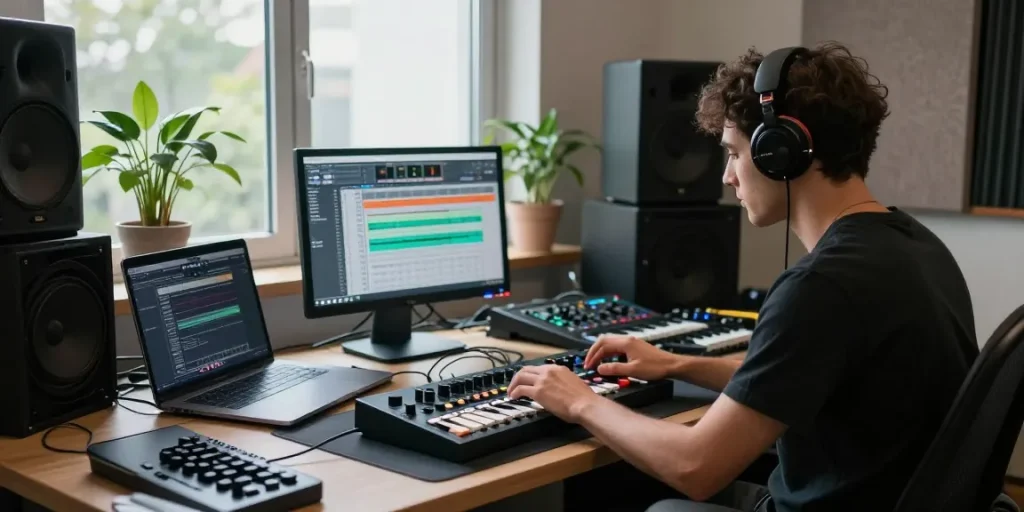
The SC88 excels in its compatibility with various digital audio workstations (DAWs) and MIDI controllers, making it a versatile addition to any studio setup. Its ability to work seamlessly with software like Ableton Live, Logic Pro, and FL Studio expands the creative possibilities for users, allowing them to integrate classic sounds into contemporary productions effectively.
Getting Started with SC88
Setting up the SC88 can initially seem daunting, but it is relatively straightforward. Proper installation is key to unlocking its full potential. Here are some essential steps to get started:
Setup Guide: Connecting SC88 to Your Studio
To integrate the SC88 into your studio, follow these steps:
- Connect the SC88 to your computer using a USB-MIDI interface or traditional MIDI cables.
- Install any necessary drivers or software that accompanied the SC88.
- Launch your preferred DAW and configure it to recognize the SC88 as an audio input/output device.
Essential Software for Leveraging SC88
Using the SC88 effectively requires compatible software that can utilize its capabilities. Popular options include:
- Digital Audio Workstations (DAWs) such as Pro Tools, Cubase, and Studio One.
- Sound editing software like Audacity or Adobe Audition, which can enhance and modify SC88 audio outputs.
- Virtual instruments and plugins that can complement the SC88’s sound library.
Basic Sound Programming Techniques with SC88
To make the most of your SC88, understanding basic sound programming techniques is essential. These techniques include:
- Creating layers of sounds to develop rich textures.
- Utilizing reverb and delay effects to enhance the spatial quality of the sounds.
- Adjusting the velocity and modulation settings for more expressive performances.
Advanced Sound Design Techniques
Once you are comfortable with the basics, delving into advanced sound design techniques will significantly enhance your production quality. Consider these methods:
Layering Sounds for Rich Textures
Layering several sounds can create a fuller, more dynamic listening experience. Experiment with different instruments from the SC88 to find complementary tones.
Using Effects and Filters to Enhance SC88 Sounds
Employing effects such as compression, EQ, and filtering can refine the sounds generated by the SC88. Experimenting with these tools can lead to unique sound variations that stand out in mixes.
Creating Unique Patches: Tips and Tricks
Developing unique patches is crucial for personalization in music production. Start by modifying existing sounds and layering them with additional effects to forge a sound that is distinctly yours.
Practical Applications of SC88 in Music Genres
The SC88 has proven its versatility across various musical genres. Here’s how it can be utilized effectively:
Utilizing SC88 in Electronic Music Production
In electronic music, the SC88 can provide an array of synth sounds, percussion, and ambient textures that enhance your tracks’ depth and interest.
Incorporating SC88 in Film Scoring and Soundtracks
The cinematic qualities of the SC88 make it an excellent choice for film scoring. Its orchestral sounds and atmospheric patches are ideal for creating emotional narratives within soundtracks.
SC88’s Role in Game Audio Design
In the realm of game audio, the SC88 contributes to immersive soundscapes. From background textures to dynamic sound effects, it plays a vital role in the gaming experience.
Future Trends in Sound Modules and SC88
The landscape of sound modules continues to evolve, with innovative technologies reshaping how musicians create and produce music. The SC88 is poised to adapt to these changes. Here are some expected trends:
Innovations on the Horizon for Sound Technology
Future sound modules will likely incorporate more advanced algorithms for sound design, machine learning capabilities for learning user preferences, and improved integration with mobile devices and cloud-based platforms.
How SC88 Fits Into the Future of Music Production
As music production becomes increasingly digital, the SC88’s adaptability will keep it relevant. Its foundational design allows it to evolve alongside emerging technologies.
Predictions for Sound Design Techniques in 2026 and Beyond
In the coming years, expect techniques such as virtual reality sound design and AI-assisted sound generation to gain traction, further enhancing the creative capabilities of producers using tools like the SC88.
What are the main features of the SC88?
The SC88 features over 600 instrument sounds, general MIDI compatibility, and advanced sound editing capabilities, making it a powerful tool for sound design.
How can I connect SC88 to my DAW?
Connecting the SC88 to your DAW involves using a USB or MIDI interface, installing necessary drivers, and configuring your DAW to recognize it as an audio input/output device.
What genres of music benefit from the SC88?
The SC88 is versatile across genres, excelling in electronic music, film scoring, and game audio design.
Are there alternative sound modules to consider?
Absolutely! While the SC88 is robust, alternatives like the Yamaha Motif and Korg Kronos offer unique features that may better suit specific needs.
How has the SC88 evolved since its release?
Since its initial launch in the 1990s, the SC88 has undergone several upgrades, culminating in models like the SC88 Pro that enhance sound quality and expand functionality.